Nipah Virus Outbreak: Symptoms, Transmission, Prevention & Immune Support


Nipah Virus Outbreak: Symptoms, Transmission, Prevention & Immune Support
Nipah Virus: What It Is, How Serious It Can Be ,Symptoms, Spread, Safety, Immune Health & Prevention Tips
Nipah Virus Outbreak: What It Is, How Serious It Can Be & How to Protect Your Health

Recent headlines about a Nipah virus outbreak have understandably raised concerns across Asia.
When news spreads quickly, worry often spreads faster — but clear information and steady wellness habits
are what truly help us feel grounded and prepared.
In this article, we’ll share a calm, consumer-friendly guide: the history, how it transmits,
how serious it can be, the current status, practical prevention tips, and a helpful FAQ.
We’ll also cover simple, realistic ways to support your immune system — including where
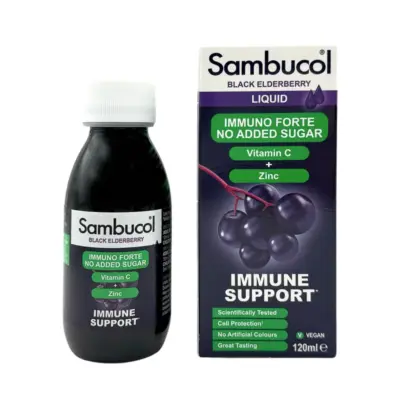
Sambucol (black elderberry) may fit into a wellness routine.
What Is the Nipah Virus?
Nipah virus (NiV) is a rare virus that can spread from animals to humans (this is called a zoonotic infection). In some people it causes mild, flu-like symptoms; in others it can become serious, including affecting the brain.
Why people are talking about it now
Nipah makes headlines because it can be severe in some cases and there’s no specific cure or vaccine. The right response is calm awareness — knowing what to watch for and practicing the basics that protect you from many infections.
- Stay informed (avoid rumours and misleading posts)
- Practice hygiene and food safety
- Support immunity through everyday wellness routines
- Seek medical advice early if symptoms appear after possible exposure
A Brief History of Nipah Virus
Nipah virus was first identified during an outbreak in 1998–1999 in Malaysia, linked to animal exposure. Since then, outbreaks have appeared sporadically in parts of South Asia, often involving small clusters that are investigated and contained.
How Nipah Virus Transmits (How It Spreads)
Transmission usually happens through direct exposure rather than casual contact. Here are the main pathways:
| Transmission Route | What it means (in simple terms) |
|---|---|
| Animal → Human | Contact with infected animals or consuming food contaminated by bats (for example, fruit exposed to bat saliva). |
| Human → Human | Close contact with an infected person, often in caregiving or healthcare settings (exposure to bodily fluids). |


Nipah Virus Symptoms: What to Watch For
Symptoms typically appear within 4–14 days after exposure and can range from mild to severe. Early symptoms may feel like a common flu, which is why context (travel or exposure) matters.
Early symptoms
- Fever
- Headache
- Muscle aches
- Sore throat or cough
- Fatigue, nausea, vomiting
When it may become serious
- Drowsiness, dizziness
- Confusion or disorientation
- Seizures
- Signs of brain inflammation (encephalitis)
How Serious Is Nipah Virus?
Nipah virus is taken seriously because in some cases it can progress quickly and lead to severe complications. That said, most people are not at high risk unless there’s a known exposure pathway.
Why authorities monitor it closely
- It can be severe in some cases
- There is no specific antiviral cure or approved vaccine
- Prevention and early detection are key
Current Status: What’s Happening Now?
Recent news reports have highlighted confirmed cases in parts of India, which has led to heightened monitoring and screening in the region. Outbreak management typically includes:
- Early detection and isolation of suspected cases
- Contact tracing and monitoring close contacts
- Hospital infection-control measures
- Travel screening where relevant
How to Prevent Infection: Simple, Practical Steps
Food & hygiene habits
- Wash fruits thoroughly; peel where possible
- Avoid eating fruit that looks partially eaten or damaged
- Wash hands regularly (especially before meals)
Close-contact precautions
- Avoid close contact with anyone who is unwell after travel to affected areas
- If caring for a sick person, practice good hygiene and follow medical guidance
- Seek medical advice early if symptoms appear after possible exposure
Immune Support: Calm, Consistent Wellness Habits
There’s no single “immune booster” that prevents viruses overnight — but your daily lifestyle plays a powerful role in supporting immune resilience. Focus on foundations that truly matter:
- Sleep: aim for 7–9 hours most nights
- Nutrition: include fruits/vegetables, protein, and healthy fats
- Hydration: steady water intake throughout the day
- Movement: gentle exercise helps circulation and recovery
- Stress care: breathwork, sunlight, nature breaks, or journaling
Where Sambucol Fits In (Black Elderberry Support)
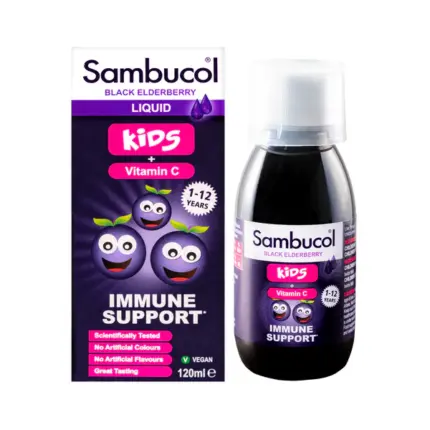
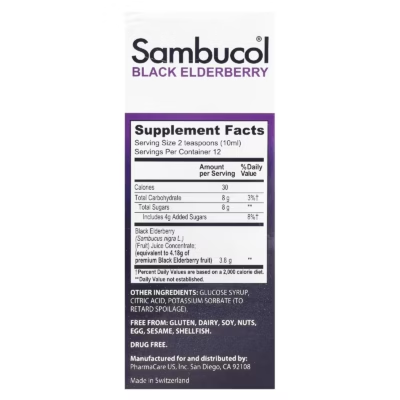
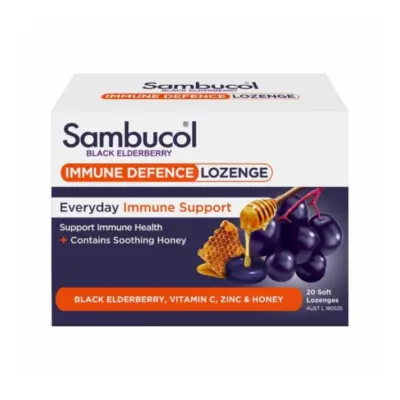
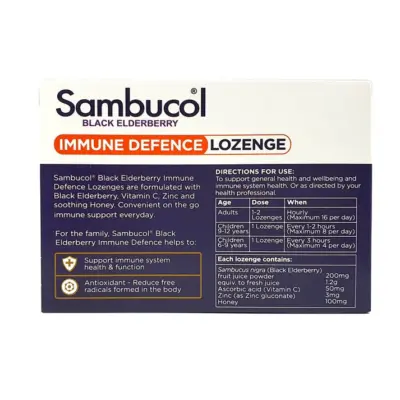
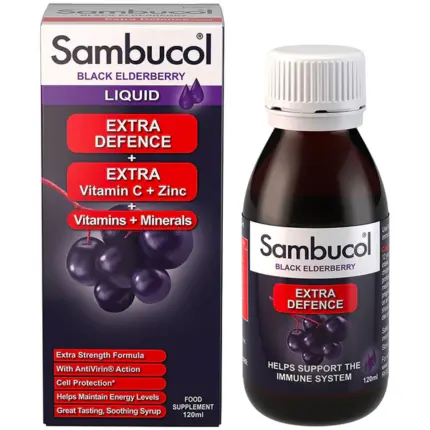
If you enjoy adding gentle immune-support supplements during seasonal challenges, you may have heard of black elderberry. Sambucol products are formulated with elderberry extract — widely appreciated for its antioxidant content and traditional wellness use.
View the full range on ThreeLeaf Learning
FAQ: Quick Answers
Is Nipah virus the same as COVID-19?
No. Nipah virus is not known for easy airborne spread in the general community. Transmission typically requires close exposure.
Should I be worried?
Awareness is useful, panic is not. For most people, risk is low unless there is direct exposure or travel to affected areas.
What should I do if I feel sick after travel?
Seek medical advice early and share your travel/exposure history. Early attention helps doctors assess and guide next steps.
Is there a vaccine or specific treatment?
There is no approved vaccine or specific antiviral cure currently. Care focuses on early detection and supportive medical treatment.
Can supplements replace medical care?
No. Supplements may support general wellness, but they cannot replace diagnosis, treatment, or medical advice.