

A 3-Day Gut-Friendly Meal Plan for Busy Families

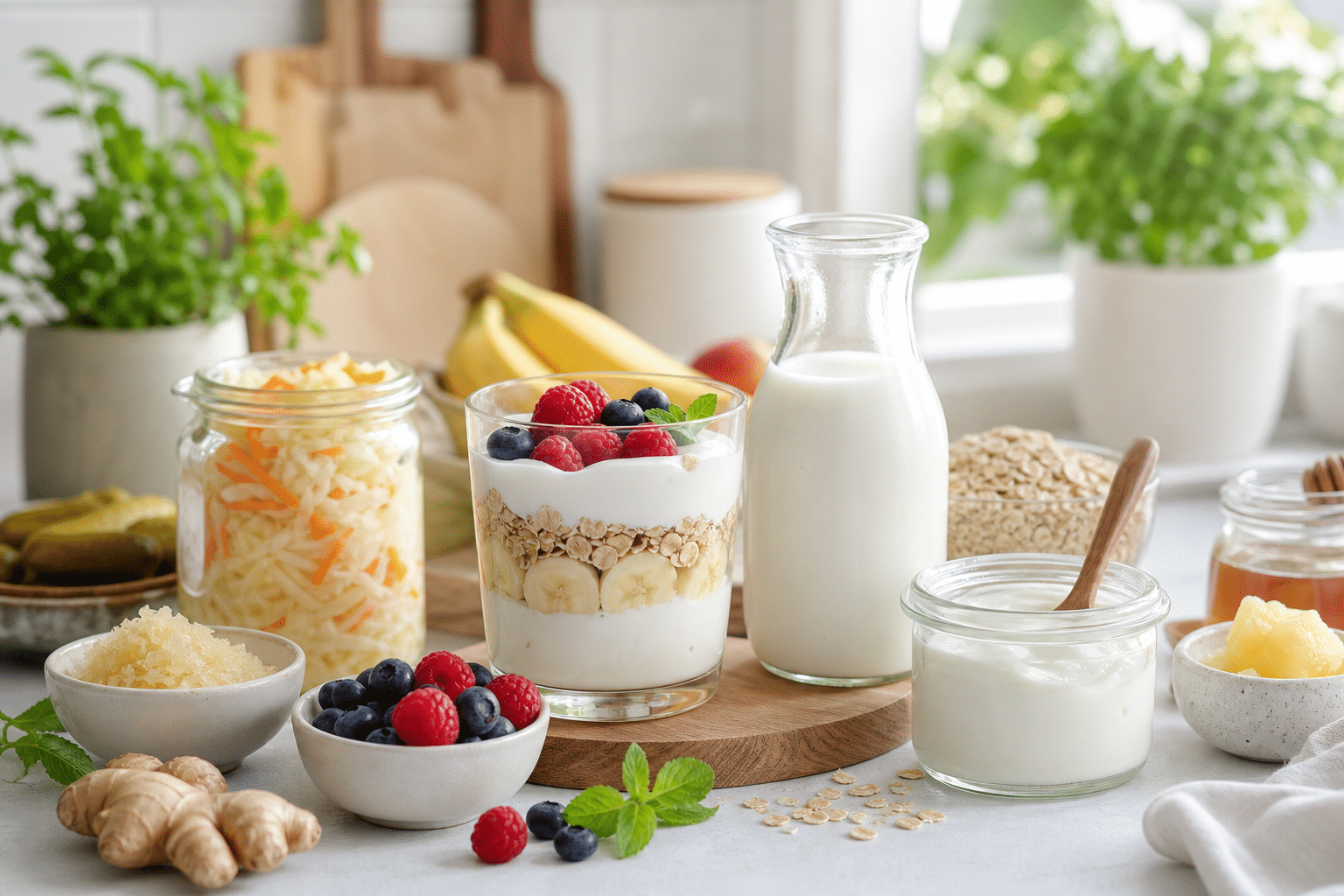
This 3-day gut-friendly meal plan gives busy families simple breakfast, lunch, dinner and snack ideas. It focuses on fibre-rich foods, regular meals and fluids, with optional yogurt or kefir if your household enjoys and tolerates them.
There is no single food that guarantees better gut health. A useful starting point is a varied routine built around vegetables, fruit, whole grains and suitable protein foods. Use the meals below as flexible ideas, not a strict diet or a promise to fix digestive symptoms in three days.
Before Starting Your Gut-Friendly Meal Plan
If you currently eat little fibre, introduce higher-fibre foods a little at a time and drink enough fluids. A sudden increase can feel uncomfortable. The NIDDK guide to fibre and fluids explains how gradual changes can support bowel regularity.
Adjust portions to each person’s age, appetite and needs. This is a general family meal guide, not an infant feeding plan or a personalised diet for IBS, food allergies or another medical condition. If you already have a prescribed diet, check changes with your clinician or dietitian.
Day 1: Oats, Rice Bowls and a Simple Dinner
- Breakfast: Oats with plain yogurt and sliced banana. Cook or soak the oats to a texture your family likes.
- Lunch: A rice bowl with fully cooked egg or tofu, cooked vegetables and soup.
- Snack: Soft fruit with plain yogurt, or an age-appropriate alternative.
- Dinner: Cooked fish or chicken with potatoes, leafy greens and carrots. Remove fish bones carefully.
Keep the meal familiar. If brown rice is a big change, try a small amount mixed with the rice your family already eats.
Day 2: Toast, Noodle Soup and Lentils
- Breakfast: Wholegrain toast with fully cooked eggs and fruit.
- Lunch: Noodle soup with vegetables and tofu, chicken or another suitable protein.
- Snack: Plain yogurt or a small kefir-and-banana smoothie if tolerated. Fermented foods are optional.
- Dinner: Lentil or bean soup with rice and vegetables. Start with a small serving of legumes if they are new to you.
Rinse canned beans and choose lower-salt options when available. If a food repeatedly triggers symptoms, do not force it into the plan.
Day 3: Yogurt Bowls, Wraps and Stir-Fry
- Breakfast: Plain yogurt with oats and berries prepared in an age-appropriate shape and texture.
- Lunch: A wrap with cooked salmon, tofu or chicken and vegetables.
- Snack: Hummus with soft cooked vegetable pieces or suitable crackers. Check sesame and other allergens.
- Dinner: Stir-fried vegetables with tofu, fish or chicken and brown rice, or another grain your family enjoys.
Offer water regularly with meals and between them. You do not need a special drink or supplement to follow this plan.
Shopping List for the 3-Day Meal Plan
- Grains and starches: oats, rice, potatoes, wholegrain bread, noodles and wraps.
- Vegetables: leafy greens, carrots and a few favourites for soup or stir-fry.
- Fruit: bananas, berries and another seasonal option.
- Protein: eggs, tofu, fish or chicken, lentils, beans and hummus.
- Optional dairy: plain yogurt or kefir made with pasteurised milk. Choose suitable alternatives for allergies or intolerance.
Check the fridge and cupboards first. Buy only the options you plan to use; each meal does not need every protein listed.
Prep Once, Make Busy Days Easier
- Choose two breakfasts your family already likes and rotate them.
- Wash produce and prepare ingredients for a soup and a rice bowl.
- Cook only what you can store safely. Cool and refrigerate cooked food promptly, and follow food-storage guidance rather than leaving it on the counter.
- Keep an easy backup meal, such as eggs or tofu with vegetables and toast.
Serve new foods beside familiar ones. Small portions and relaxed repeat exposure are often more practical than replacing an entire meal. Let children explore without pressure.
Make Family Meals Safe for Young Children
Match food size and texture to your child’s eating skills, remove bones and supervise meals while children sit upright. Whole nuts should not be given to children under five because of choking risk. Nut butter, if suitable for the child’s allergies, should be spread thinly or mixed into food rather than offered by the spoonful. See the NHS guide to preparing food safely.
Check labels for milk, egg, soy, wheat, fish, nuts and sesame as relevant to your family. Lactose-free dairy is not a substitute for avoiding milk protein in a milk allergy.
Frequently Asked Questions
Do we need fermented foods every day?
No. Yogurt and kefir are optional foods, not a requirement. Choose a varied pattern you tolerate, and do not treat a starter culture or a food as a cure for digestive problems.
What if beans make me bloated?
Try a smaller portion and increase slowly if comfortable. If symptoms persist or become severe, seek medical advice rather than continuing to add fibre.
Can children follow this gut-friendly meal plan?
Use the meal ideas with age-appropriate portions and textures, and account for allergies. Young children and anyone with special dietary needs may need individual advice.
Explore More with ThreeLeaf
If homemade yogurt or kefir fits your routine, follow the starter’s preparation, hygiene and storage instructions. Products are optional; everyday meals remain the focus.