Is Your Pet’s Behavior a Sign of Something More?


Is Your Pet’s Behavior a Sign of Something More?

Understanding the connection between pet behavior and overall health
Many pet owners struggle with behaviors such as excessive barking, chewing, scratching furniture, or restlessness.
These actions are often labeled as “bad behavior”, but in reality, they may be signs that something deeper is happening.
Just like humans, pets express discomfort, stress, or imbalance through behavior.
Understanding this is the first step toward helping them.
🐶 Behavior Is Communication

When a pet becomes anxious, aggressive, or overly active, it is often not about disobedience — it’s communication.
- Chewing may indicate boredom or anxiety
- Scratching may be a stress-release behavior
- Excessive barking can signal unmet needs
By understanding what your pet is trying to express, you can respond more effectively and compassionately.
🌿 The Role of Nutrition

Nutrition plays a significant role in your pet’s emotional and physical wellbeing.
A balanced diet supports brain function, mood stability, and overall health.
Key benefits of proper nutrition include:
- Better cognitive function
- Improved emotional balance
- Healthier skin and coat
- Stronger immune system
When pets lack essential nutrients, it may affect their mood, energy levels, and behavior.
✨ Supporting Your Pet from Within
A balanced approach combining training, environment, and nutrition often leads to the best results.
Omega-3 fatty acids are especially important as they support brain health and emotional regulation.
One convenient option is:
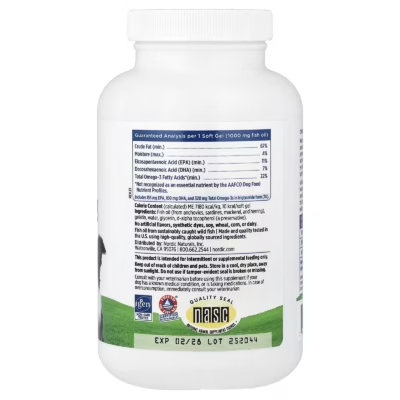
Nordic Naturals Omega-3 Pet™ (Cats and Small Breed Dogs)
This supplement provides high-quality omega-3 to support your pet’s overall wellbeing,
especially for pets that show signs of stress, sensitivity, or behavioral imbalance.

A simple addition to support your pet’s overall wellbeing
Frequently Asked Questions (Q&A)
1. Can nutrition affect my pet’s behavior?
Yes. Nutrients like omega-3 support brain function and emotional balance, which can influence behavior.
2. My pet is very hyperactive. What should I do?
Check for enough exercise, mental stimulation, and proper nutrition. Often, it’s a combination of factors.
3. Is omega-3 suitable for all pets?
Generally yes, especially for cats and small dogs, but always follow recommended dosage.
4. How long before I see results?
Some pets may show changes within a few weeks, while others take longer depending on consistency.
5. Do I still need training if I improve nutrition?
Yes. Nutrition supports your pet internally, while training guides behavior externally. Both are important.