
Why Am I Always Bloated After Meals? A Practical Gut Health Guide


Quick answer
Bloating after meals can come from eating patterns, food choices, stress, constipation or sudden fiber changes. This guide starts with daily habits before introducing supportive gut-health products.
Helpful ThreeLeaf links
Why Am I Always Bloated After Meals? A Practical Gut Health Guide
Bloating after meals is one of the most common wellness concerns people ask about. It can feel like fullness, tightness, gas, pressure or a stomach that looks bigger after eating. For some people it happens once in a while; for others, it becomes an everyday frustration.
The good news is that bloating is often connected to patterns you can observe: what you eat, how quickly you eat, how much fiber you suddenly add, your stress level, hydration, sleep and your usual bowel habits.
This guide explains practical steps that may support better digestion without jumping straight to random supplements.
Common Reasons You May Feel Bloated
Bloating can happen for many reasons. Common everyday triggers include:
- eating too quickly
- large meals late at night
- carbonated drinks
- sudden increase in beans, lentils or high-fiber foods
- low water intake
- constipation
- stress affecting digestion
- food sensitivities
- very salty meals
If bloating is severe, persistent, painful, or comes with unexplained weight loss, vomiting, blood in stool, fever or ongoing diarrhea, it is important to seek medical advice.
Start With Meal Habits First
Before adding new products, look at the basics:
Eat slower
Eating quickly can increase swallowed air and make digestion feel heavier. Try putting your spoon down between bites or taking smaller portions first.
Build fiber gradually
Fiber supports bowel regularity and feeds beneficial gut bacteria, but adding too much too quickly can increase gas. Increase vegetables, oats, legumes and seeds slowly.
Hydrate well
Fiber works best with enough fluid. If you increase fiber but drink too little, constipation and bloating may worsen.
Notice your personal triggers
Keep a simple food and symptom note for one to two weeks. You may notice patterns with dairy, fried food, very spicy meals, carbonated drinks or certain high-FODMAP foods.
What About Probiotics and Fermented Foods?
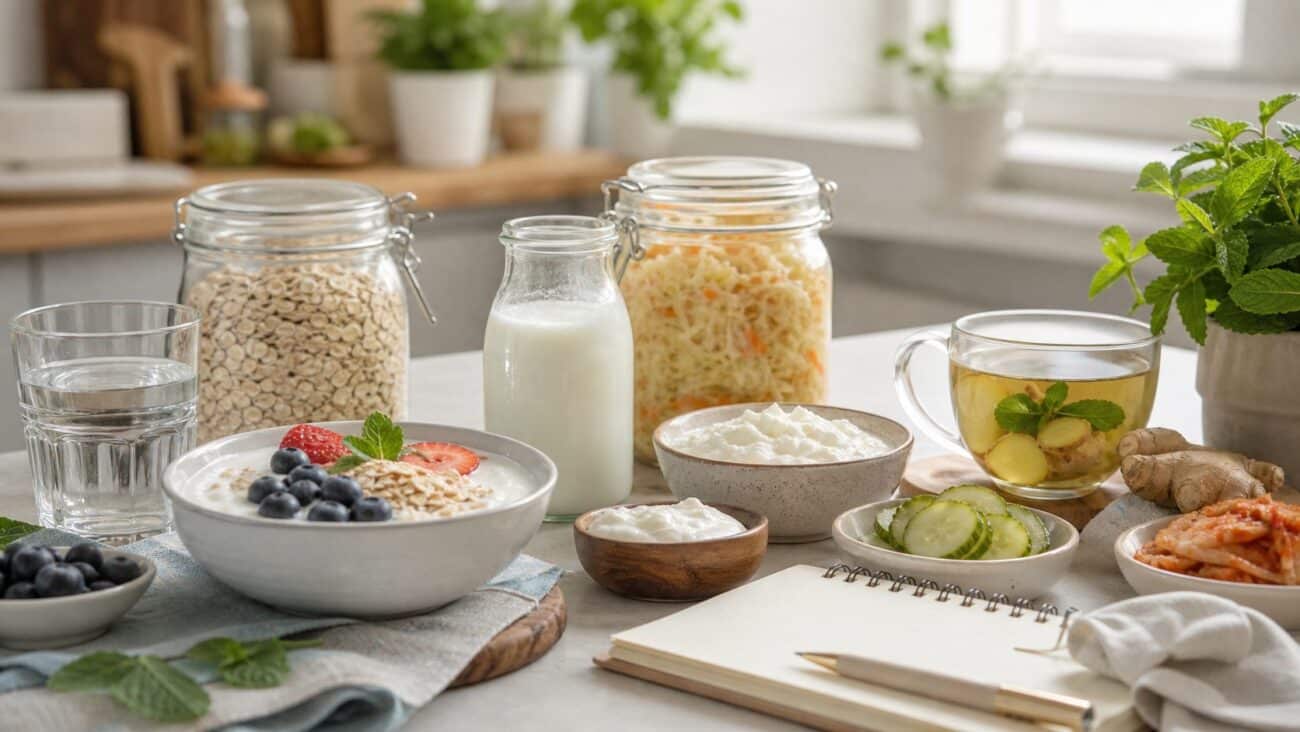
Probiotics are live microorganisms that may support gut balance when the right strain is used for the right purpose. Fermented foods such as yogurt and kefir can also be part of a gut-friendly diet.
However, probiotics are not one-size-fits-all. Some people feel better with fermented foods, while others may feel more gas at first. Start small and observe your body.
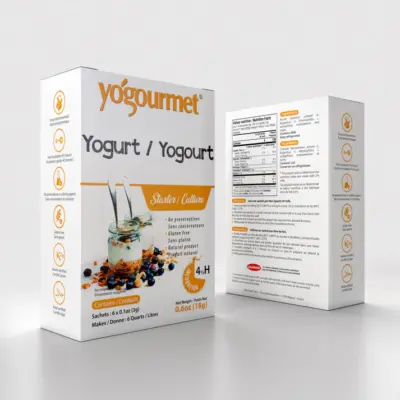
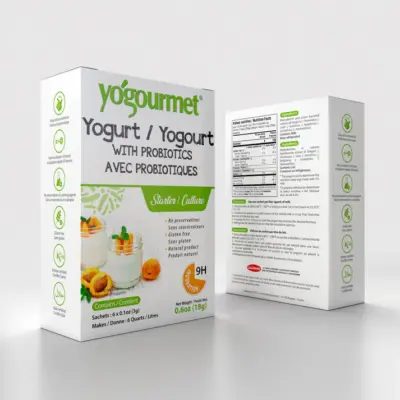
At ThreeLeaf, gut health content often connects with practical food habits first, then supportive products such as yogurt starters, kefir starters, digestive teas or selected supplements where suitable.
Simple Gut-Supportive Food Ideas
Try building meals around:
- cooked vegetables if raw salads feel too heavy
- oats, chia or flaxseed in small amounts
- yogurt or kefir if tolerated
- ginger tea after heavier meals
- protein at breakfast
- regular meal timing
- less ultra-processed snacking
When Products May Help
Products can be helpful when they fit the reason behind your bloating. For example:
- yogurt or kefir starters may support homemade fermented food routines
- peppermint or ginger teas may feel comforting after meals
- magnesium may support bowel regularity for some people
- digestive enzymes may suit selected people, depending on meal type
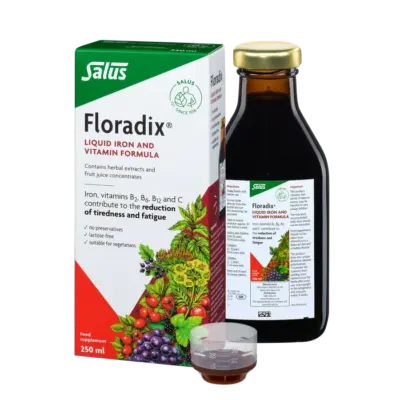
- probiotics may be useful when selected carefully
Always read labels and check suitability, especially if you are pregnant, immunocompromised, giving products to children or taking medication.
A ThreeLeaf Gut Health Routine
A simple starting routine could look like:
1. Eat slower for one week. 2. Add one fiber-rich food gradually. 3. Drink enough water. 4. Try a small serving of fermented food if tolerated. 5. Use a symptom diary. 6. Ask for guidance before stacking multiple supplements.
Want Help Choosing?
Explore ThreeLeaf’s wellness shop for gut-friendly foods, fermented food starters, herbal teas and selected digestive support products. You can also join our student group to learn more about nutrition and everyday gut health.
Join the ThreeLeaf Student Group
Final Note
This article is for general wellness education and shopping support. It should not replace professional medical advice. If your symptoms are persistent, severe or worrying, consult a healthcare professional.
Related gut-friendly picks
Direct product links for customers who want to compare fermented food starters or probiotic options after reading.
Need personal guidance?
For pregnancy, children, medication use, allergies, or ongoing symptoms, speak with a qualified healthcare professional. You can also ask our in-house nutritionist for general shopping guidance.