What Every Mom Should Know About Nutrition for Babies (0–3 Years Old)

Baby Nutrition Guide (0–3 Years): What Every Mom Should Know for Healthy Growth
Not sure if your baby is getting enough nutrients? Discover what every mom should know about baby nutrition (0–3 years) and support healthy growth with confidence.
What Every Mom Should Know About Nutrition for Babies (0–3 Years Old)
The first three years of life are a critical period for growth, brain development, immunity, and long-term health. Good nutrition during this stage is not about perfection — it is about understanding what your baby truly needs and building healthy feeding habits with confidence.
At ThreeLeaf Learning Center, we believe mothers deserve practical, trustworthy, and professional nutrition education to support their child’s early years with greater clarity and peace of mind.
Why Early Nutrition Matters
Nutrition in the first 1,000 days — from pregnancy through the early toddler years — plays an important role in supporting physical growth, cognitive development, digestive health, and immune resilience. During this stage, babies and toddlers require nutrient-dense foods that provide sufficient energy, protein, healthy fats, vitamins, and minerals for rapid development.
While every child develops at their own pace, a strong nutritional foundation can help support healthy eating habits, better growth patterns, and overall well-being as they grow.
1. Focus on Nutrient Quality, Not Just Quantity
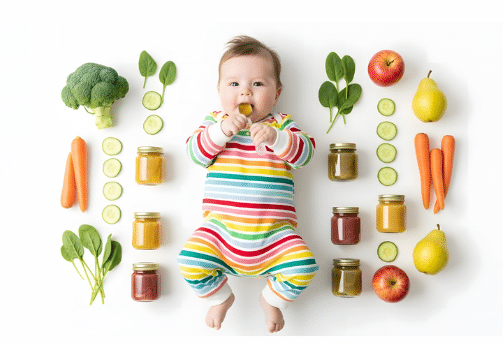
Babies and toddlers have small stomachs but high nutritional needs. This means every meal and snack should ideally provide meaningful nourishment. Foods rich in nutrients are often more beneficial than simply increasing portion size.
- Offer a variety of whole foods when age-appropriate.
- Include protein, healthy fats, and natural sources of vitamins and minerals.
- Avoid relying too heavily on processed foods with low nutritional value.
2. Key Nutrients Are Especially Important
Growing babies and toddlers need a balanced intake of nutrients that support body and brain development.
- Protein for growth and tissue building
- Healthy fats for brain and nervous system development
- Iron to support healthy blood and development
- Calcium and Vitamin D for bone and teeth health
- Zinc, Vitamin A, and Vitamin C to support immunity and growth
3. Feeding Habits Matter Too
Nutrition is not only about what children eat, but also how feeding is introduced. Consistent feeding routines, repeated exposure to foods, and a calm mealtime environment can positively shape a child’s relationship with food.
- Introduce age-appropriate foods gradually.
- Allow time for babies and toddlers to explore new tastes and textures.
- Do not be discouraged if a child rejects a new food at first.
4. Every Child Is Different
Appetite, food preferences, and feeding progress can vary from child to child. Some babies adapt quickly to new foods, while others may need more time. A balanced and flexible approach often works better than comparing one child to another.
- Focus on long-term patterns rather than one single meal.
- Support healthy eating without pressure.
- Seek guidance if there are ongoing concerns about feeding or growth.
Practical Nutrition Reminders for Moms
- Offer balanced meals with a variety of food groups where appropriate for age.
- Prioritise nutrient-dense foods over sugary or highly processed options.
- Support hydration and healthy meal routines.
- Be patient with picky eating and continue gentle exposure to different foods.
- Remember that healthy nutrition is built over time, not in one perfect day.
Explore More from ThreeLeaf


Professional Note
This article is intended for educational purposes and provides general guidance on baby and toddler nutrition. Individual nutritional needs may vary depending on age, feeding stage, health condition, and developmental needs. Parents with specific concerns are encouraged to seek personalised guidance from a qualified healthcare professional.